
Brands · Analysis
Tesla’s Rocket-Powered Roadster and the Marketing Power of Spectacle
How a radical product demonstration can turn engineering ambition into a global brand narrative.
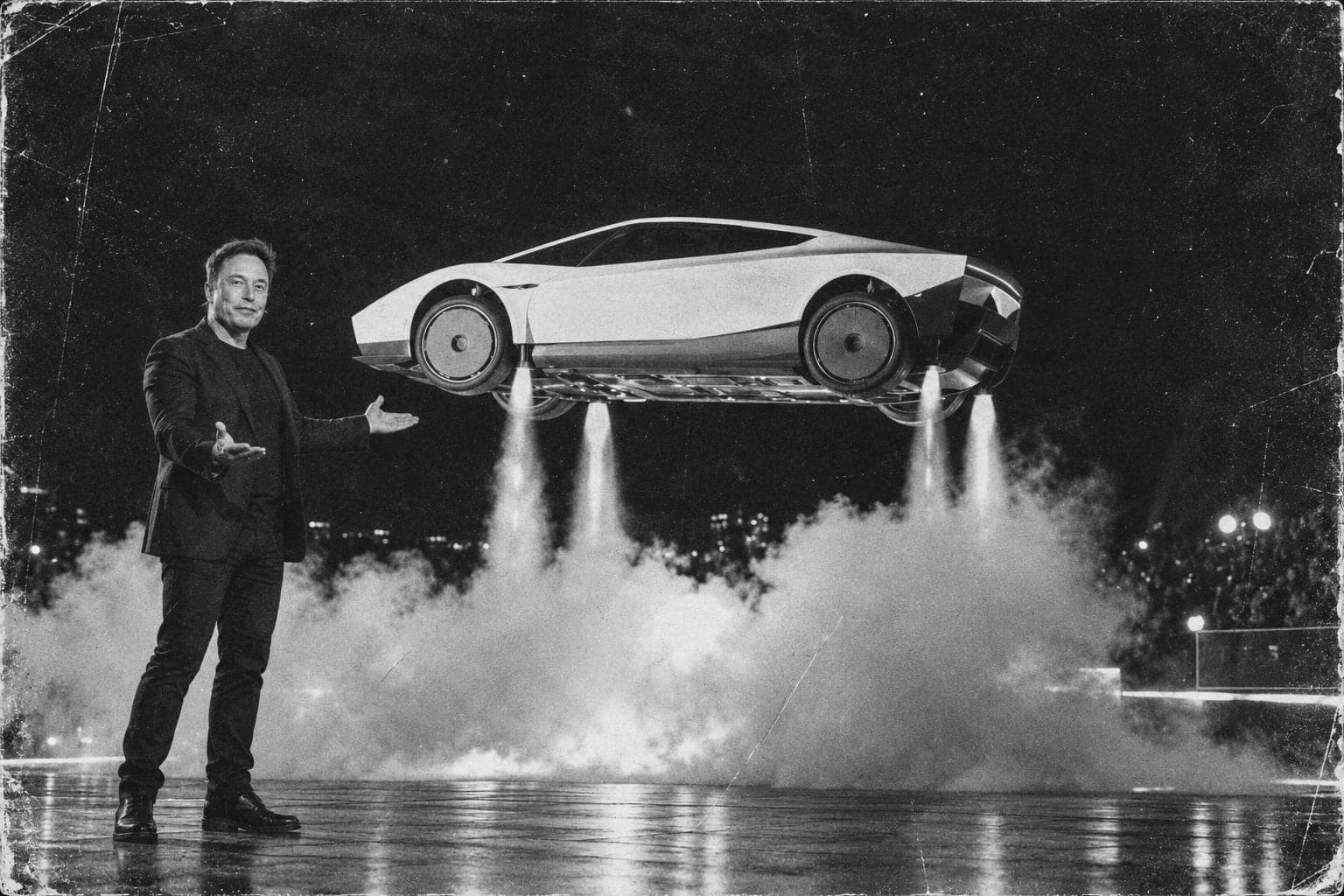 AI illustration
A car that leaves the ground, rotates in mid-air and lands using rocket-style thrusters is an unusual product demonstration. It is also a compelling example of how brands can transform a technical achievement into a story that captures public attention.
Tesla’s next-generation Roadster brings together electric vehicle engineering and technology developed in connection with SpaceX. Its presentation places a striking demonstration at the centre of the launch, raising a broader question about the relationship between product innovation, brand perception and the ability to create an experience people want to discuss.
For marketing professionals, the significance of the reveal extends beyond the vehicle itself. It illustrates how a product can become a central character in a much larger brand narrative.
When a Product Becomes the Story
Traditional product launches often follow a familiar structure. Brands introduce specifications, explain features, present performance figures and communicate the advantages of a new offering. This approach provides information, but it can struggle to capture attention in markets where competing products make similar promises.
Tesla’s Roadster presentation takes a different route. Rather than relying on specifications alone, it places a striking demonstration at the centre of the launch. The vehicle’s movement becomes the main visual message, creating an experience that can be understood even by audiences with limited knowledge of automotive engineering.
This is an important distinction in contemporary marketing. A technical feature explains what a product can do. A memorable demonstration gives people a reason to pay attention.
When a demonstration is distinctive enough, the audience can communicate the story in a few words. That simplicity helps a product travel across social platforms, news coverage and private conversations without requiring every viewer to understand its technical foundations.
The Role of Surprise in Brand Communication
Attention is a limited resource. Consumers encounter a continuous flow of advertising, announcements and branded content, making it increasingly difficult for companies to earn a meaningful moment of attention.
Surprise can interrupt that pattern. An unexpected product demonstration creates a gap between what audiences anticipate and what they witness. That gap encourages curiosity, discussion and further exploration.
The Roadster reveal illustrates this principle through the contrast between a familiar object and an unfamiliar capability. A sports car is recognisable, but seeing one perform extraordinary manoeuvres changes the way the audience interprets the product.
The marketing lesson is that every company needs a distinctive way to demonstrate its value. This does not require a spectacular launch. Depending on the business, it could involve an unexpected product application, a live demonstration, a new customer experience or a clear visual expression of an innovation.
The objective is to make the value of the offering easier to understand and remember.
Engineering as Brand Positioning
Products communicate more than their functional benefits. They also shape perceptions about the companies that create them.
A flagship product can signal ambition, technical capability and a willingness to challenge established expectations. In brand strategy, this role is often associated with a halo product, an offering designed to strengthen perceptions of the wider company.
The Roadster occupies this symbolic position within Tesla’s portfolio. Its performance ambitions and connection to SpaceX technology contribute to a narrative about engineering experimentation and technological boundaries.
This distinction matters because the commercial role of a product can extend beyond direct sales. A flagship can influence how customers, investors and industry observers perceive a company’s capabilities.
However, the relationship between spectacle and brand value depends on credibility. The product must eventually support the expectations created by its presentation. A dramatic reveal can generate initial attention, while product quality, delivery, customer experience and consistent execution determine whether that attention develops into lasting trust.
The Experience Matters as Much as the Message
The Roadster presentation also demonstrates how multiple elements can work together to create a coherent launch experience. The visual setting, the reveal sequence, the vehicle’s movement and the connection between Tesla and SpaceX all contribute to the narrative.
This is where experience design becomes relevant to marketing strategy. A launch is a sequence of audience interactions, not simply a moment when a product appears on stage. The setting establishes expectations, the demonstration creates an emotional response, and the explanation gives the audience a framework for understanding what it has witnessed.
For brands planning their own launches, the practical question is how each element contributes to the central message. A production-heavy event can attract attention, but its creative choices should reinforce the product’s positioning rather than distract from it.
The most effective experiences make the relationship between the brand promise and the product benefit clear.
Attention Is the Beginning, Not the Outcome
A widely shared demonstration can increase visibility, but visibility alone offers an incomplete measure of marketing effectiveness.
The next questions concern what happens after the audience pays attention. Does interest lead to deeper product consideration? Does the launch strengthen the brand’s position? Can the company convert curiosity into qualified demand? Does the product fulfil the expectations established by the campaign?
These questions are particularly important when a product remains in development. A public presentation can generate excitement well before customers can purchase or experience the final product. In such cases, the brand must manage the expectations created by the announcement while continuing to demonstrate progress.
For marketers, this creates a useful distinction between launch impact and long-term performance. Earned media, social engagement and search interest can indicate that a message has travelled widely. Commercial results and customer experience reveal whether that attention has translated into sustained value.
A strong marketing strategy connects these stages rather than treating the launch as the final objective.
What Other Brands Can Learn From the Roadster
The Roadster offers several lessons that can be applied beyond the automotive industry.
Demonstrate the value. Rather than relying entirely on claims, give audiences a clear way to experience or understand the product’s benefits.
Create a memorable central idea. A distinctive message is often more effective than a launch filled with competing claims.
Connect the product to the wider brand. A flagship demonstration can reinforce positioning when its meaning aligns with the organisation’s long-term direction.
Prepare for the expectations that attention creates. Marketing can introduce a promise, but delivery determines whether that promise becomes part of the brand’s credibility.
These principles apply to technology companies, consumer brands, startups and established businesses alike. The scale of the demonstration may vary, but the strategic challenge remains similar: create a recognisable point of difference and connect it to a credible customer benefit.
The Strategic Value of Being Remarkable
Tesla’s Roadster demonstrates how a product reveal can become a wider conversation about engineering, ambition and the future of mobility. Its significance lies in the combination of an unusual demonstration and a broader narrative about technological possibilities.
For marketing leaders, the central lesson is clear. Memorable communication begins with something worth communicating. A compelling launch can create the initial moment of attention, but positioning, product performance and execution determine what that moment means for the brand over time.
The strongest marketing does more than make people look. It gives them a reason to remember, discuss and reconsider the brand.