Brands · Analysis
Volkswagen’s “Think Small” Campaign Changed the Rules of Marketing
In 1959, Volkswagen and advertising agency Doyle Dane Bernbach challenged America’s obsession with large cars. Their solution turned a perceived product weakness into one of the most influential brand positioning strategies in advertising history.
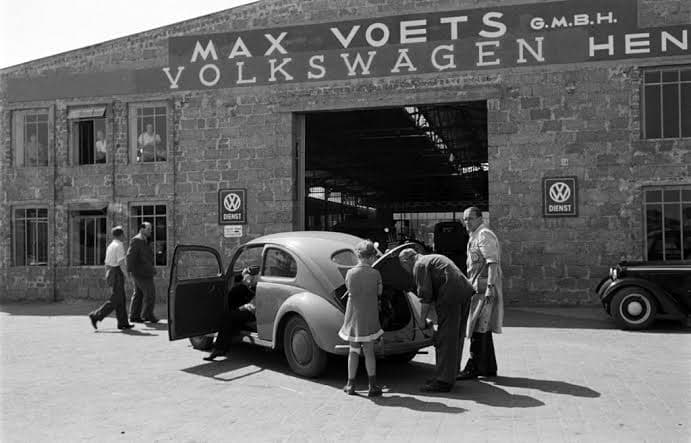
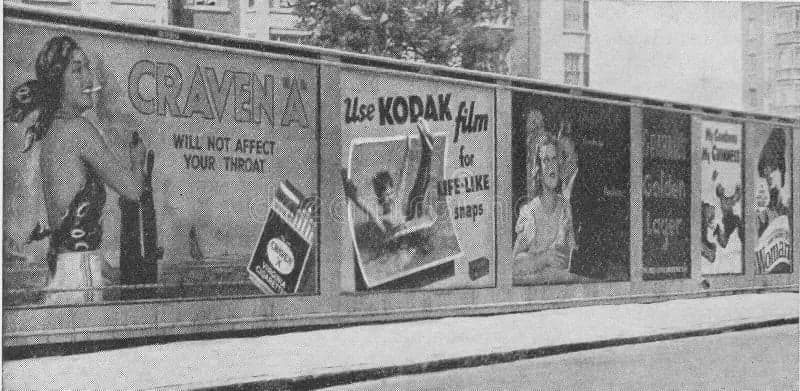
In 1950s America, cars represented more than transportation. Size, styling and power played important roles in how automakers presented their vehicles. Against this backdrop, Volkswagen faced a difficult marketing challenge. Its Beetle was a compact German car entering a market accustomed to much larger American models.
Volkswagen needed to convince consumers that a small car could be an appealing choice. In 1959, its partnership with Doyle Dane Bernbach (DDB) produced an answer that would reshape the way brands approached advertising.
The campaign had two simple words at its centre. “Think Small.”
Turning a Perceived Weakness Into an Advantage
The conventional approach to automotive advertising emphasised ambition, status and visual spectacle. Volkswagen's Beetle offered a different proposition, and the campaign embraced that distinction.
Instead of disguising the car's size, the creative team made it the central idea. The advertisement showed a small image of the Beetle against a largely empty white page. The headline was brief, direct and deliberately understated.
The creative approach was developed by art director Helmut Krone and copywriter Julian Koenig, under the creative leadership of Bill Bernbach.
The design itself communicated the argument before readers reached the body copy. The small car and generous white space made the product's defining characteristic impossible to miss.
This was a strategic decision as much as a creative one. Volkswagen could compete by presenting its compact dimensions as a practical advantage, giving consumers a new way to evaluate the car.
A Different Conversation With Consumers
The campaign's copy reinforced the visual idea with practical reasons to consider the Beetle. Its compact size made parking easier, while its fuel economy, maintenance requirements and running costs offered additional reasons for consumers to pay attention.
Humour and self-awareness helped the message feel distinctive. The advertisements acknowledged characteristics that other carmakers might have treated as disadvantages, then explained why those characteristics could work in the buyer's favour.
This tone also respected the audience's intelligence. Instead of relying entirely on aspirational imagery, Volkswagen gave readers reasons to reconsider their assumptions.
The campaign demonstrated how advertising can influence the criteria consumers use to make decisions. Once buyers began evaluating convenience and economy alongside size and status, the Beetle had a stronger position in the conversation.
Simplicity Became the Creative Advantage
“Think Small” also challenged established conventions in print advertising.
Its restrained layout stood apart from crowded advertisements filled with elaborate imagery and emphatic claims. The small photograph, simple typography and extensive white space created a distinctive visual identity.
Every element supported the same message. The layout made the car look small, the headline encouraged a change in perspective, and the copy explained the practical benefits.
This alignment between creative execution and brand positioning gave the campaign its strength. The advertisement did not simply describe the idea. It demonstrated it.
For marketers, the lesson is significant. A campaign becomes more memorable when its visual language, copy and strategic message work together.
The Role of Brand Positioning
The success of “Think Small” illustrates the importance of positioning a product around a clear and relevant distinction.
Volkswagen was operating in a category where larger vehicles carried considerable cultural appeal. Attempting to imitate the advertising conventions of established American manufacturers would have made it harder for the Beetle to stand out.
DDB instead built the campaign around a characteristic that separated the car from its competitors. That difference became the foundation for a persuasive argument about practical value.
The strategy also gave Volkswagen a consistent voice. The Beetle could be presented with humour, honesty and confidence, creating a recognisable identity across multiple advertisements.
Advertising Age later ranked the Volkswagen campaign the greatest advertising campaign of the twentieth century in its 1999 assessment, reflecting its enduring influence on the industry.
What Modern Brands Can Learn From “Think Small”
The campaign offers several lessons for businesses developing their own marketing strategies.
Reframe the product. A characteristic that initially appears to limit a product can become valuable when viewed through the customer's priorities. The important step is identifying a genuine benefit that supports the new perspective.
Understand category expectations. Volkswagen's campaign gained distinction because its approach contrasted with the prevailing conventions of automotive advertising. Knowing what competitors communicate can reveal opportunities for differentiation.
Make every creative decision serve the strategy. The headline, image, layout and copy all reinforced the same positioning. Consistency made the message easier to understand and remember.
Use evidence to support the promise. The campaign connected its central idea with practical benefits, including economy and ease of parking. A compelling message becomes more persuasive when customers can connect it with tangible advantages.
Respect the audience. Humour, restraint and straightforward reasoning helped the campaign establish a distinctive relationship with readers. Brands can build credibility by communicating with clarity and confidence.
Why “Think Small” Still Matters
More than six decades after its introduction, Volkswagen's “Think Small” campaign remains a reference point for marketers, brand strategists and creative professionals.
Its enduring significance lies in the relationship between insight and execution. Volkswagen had a product with a clear point of difference. DDB recognised the potential in that difference and built a campaign that transformed it into a compelling consumer proposition.
The result demonstrates how strategic clarity can influence creative effectiveness. A brand does not need to follow the dominant conventions of its category to earn attention. It needs to understand what makes its offer distinctive and communicate why that distinction matters.
For founders and business leaders, “Think Small” offers a lasting reminder that strong positioning begins with a clear understanding of the product, the customer and the assumptions shaping the market.