Founder Stories · Profile
How Ferruccio Lamborghini Turned a Tractor Business Into a Supercar Legend
The story of how an Italian entrepreneur entered the world of luxury automobiles and built a brand that would challenge Ferrari and redefine the supercar.
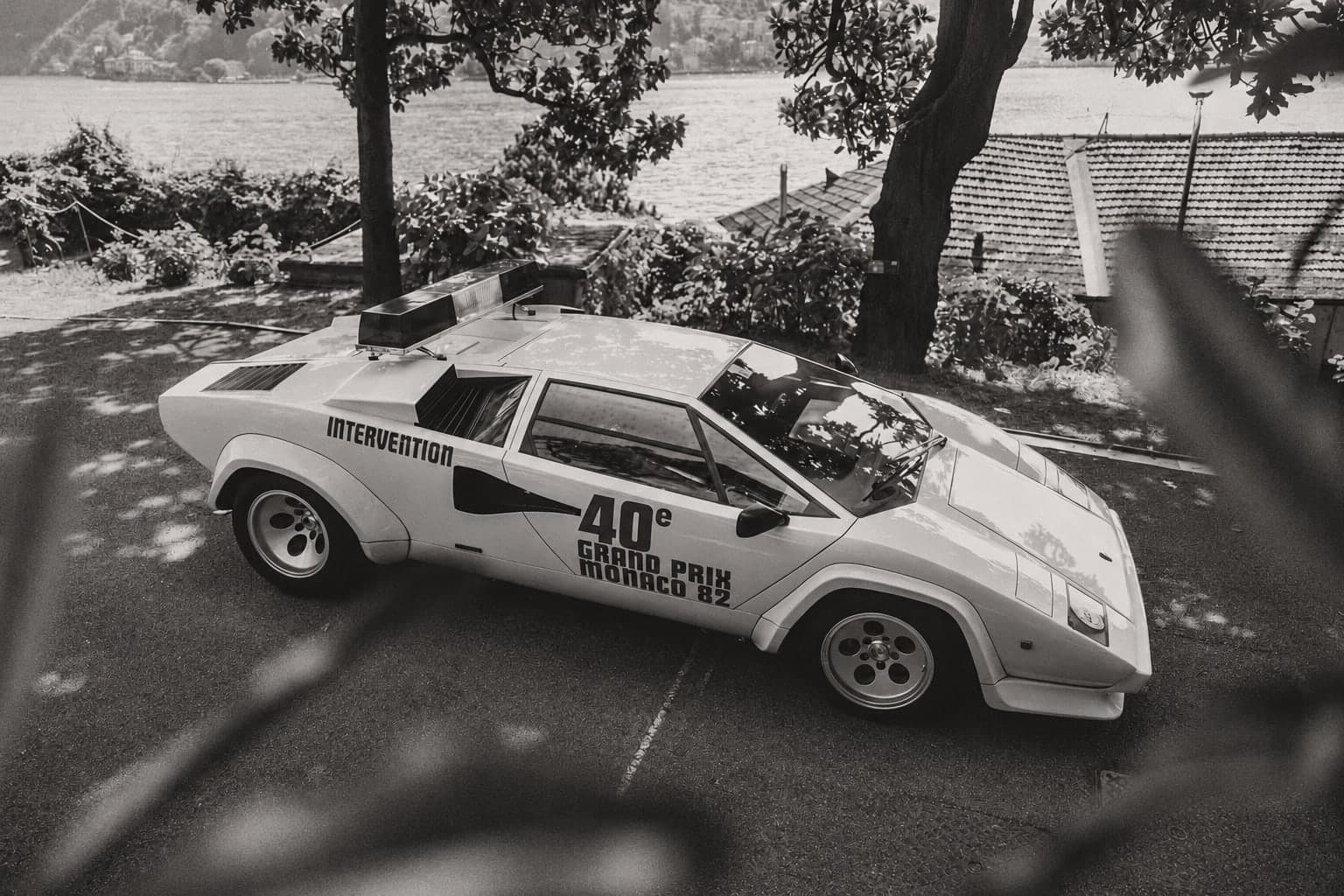
Before Lamborghini became synonymous with extraordinary performance, dramatic design and Italian luxury, its founder was making tractors.
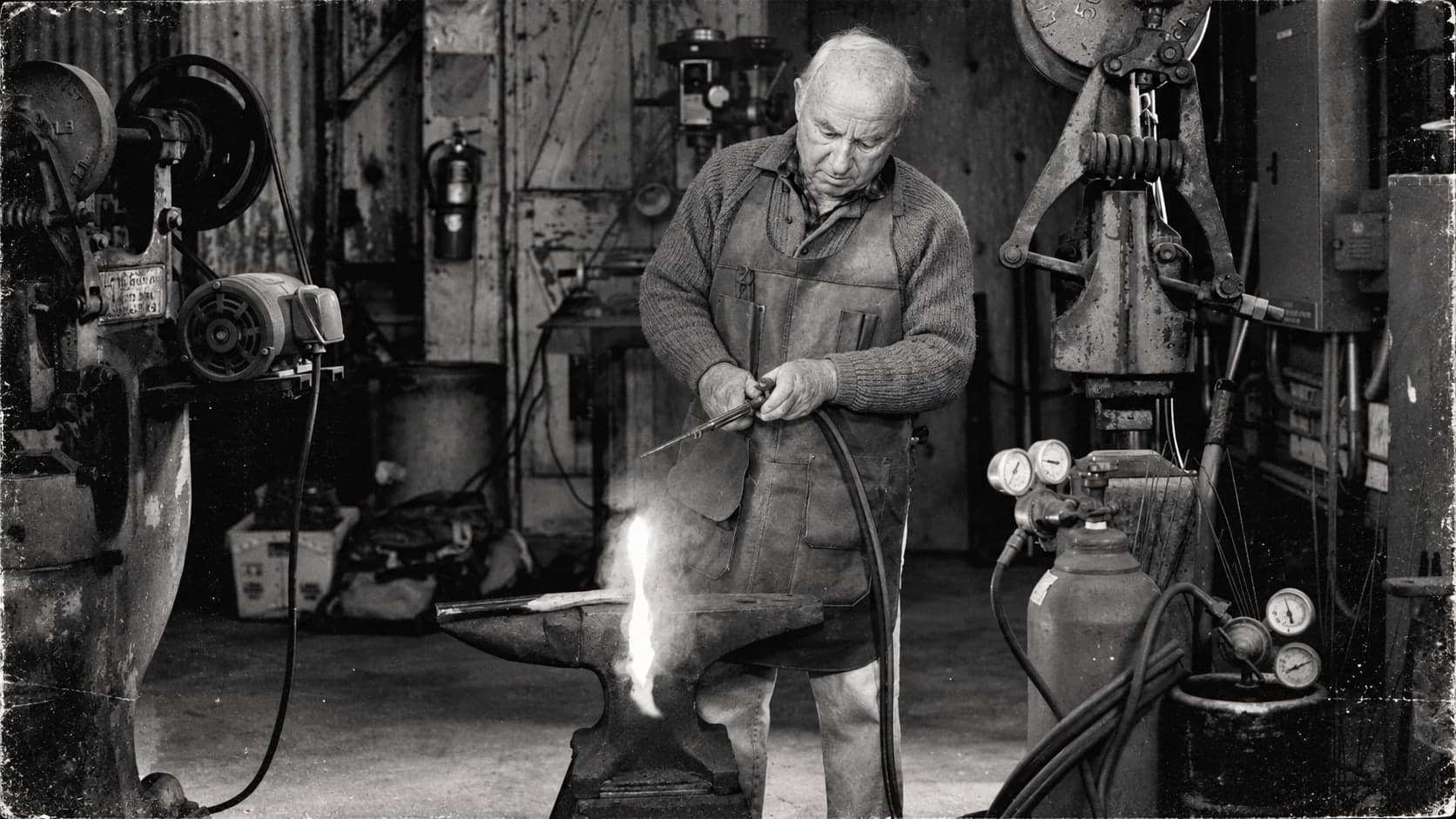
Ferruccio Lamborghini had already built a successful industrial business before entering the automotive industry. Born in 1916 in northern Italy, he developed an early interest in mechanics and machinery. After the Second World War, he recognised an opportunity to support Italy's agricultural recovery by producing affordable, practical tractors from surplus military equipment.
His business grew alongside the country's postwar economic expansion. By the early 1960s, Lamborghini had established himself as a successful entrepreneur with interests extending beyond agricultural machinery.
Yet his ambitions reached further. He wanted to build a sports car that reflected his own expectations of engineering, comfort and performance. In 1963, he turned that ambition into a new company, setting the stage for one of the most distinctive rivalries in automotive history.
The Entrepreneur Behind the Bull
Lamborghini's entry into the automotive industry was shaped by experience rather than speculation. His background in manufacturing had taught him the importance of technical expertise, production quality and understanding customers.
His tractor business gave him the financial resources to pursue a new venture. He also had a clear view of the kind of automobile he wanted to create. Instead of focusing exclusively on racing performance, he envisioned a powerful grand touring car that combined speed with comfort and refinement.
In 1963, Automobili Lamborghini was established in Sant'Agata Bolognese, Italy. The company brought together experienced engineers and designers, including Giotto Bizzarrini, Gian Paolo Dallara and Franco Scaglione, to develop its first vehicles.
The objective was ambitious. Lamborghini was entering a market where established manufacturers already had decades of experience and loyal customers.
For Ferruccio, however, the opportunity lay in offering a different interpretation of the high-performance automobile.
The Ferrari Rivalry That Helped Define a Brand
Ferrari occupied a prominent position in the Italian sports car industry when Lamborghini entered the market. The two brands would become closely associated with contrasting approaches to performance, engineering and automotive identity.
The popular account of their rivalry centres on Ferruccio's dissatisfaction with a Ferrari he owned and his decision to build a better car according to his own standards. Although details of the confrontation vary across historical retellings, the broader ambition is clear. Lamborghini wanted to demonstrate that a manufacturer outside the established sports car elite could compete at the highest level.
The first Lamborghini prototype, the 350 GTV, debuted in 1963. The production-ready 350 GT followed in 1964, featuring a V12 engine and a design that combined performance with grand touring comfort.
These early models established the company's technical credibility and provided a foundation for its next major breakthrough.
The Miura Changed the Supercar Formula
In 1966, Lamborghini introduced the Miura, a model that became a defining moment in the development of the modern supercar.
Its transverse, mid-mounted V12 engine, striking proportions and body designed by Bertone gave the car an unconventional appearance and an innovative engineering layout. The Miura demonstrated how a road car could draw on ideas associated with racing machinery while delivering an extraordinary visual identity.
The model helped establish Lamborghini as a serious force in the international performance car market. It also strengthened the connection between engineering innovation and bold design that would become central to the brand.
The Miura was followed by other landmark models, including the Countach, whose dramatic angular styling became one of the most recognisable automotive designs of the 1970s and 1980s.
Lamborghini was building more than a collection of fast cars. It was creating a distinctive identity in a market where emotional appeal, exclusivity and design mattered as much as technical specifications.
Building a Brand Beyond the Founder
Lamborghini's journey was far from a straightforward rise. Financial pressures and wider economic difficulties affected the company's development during the 1970s. Ferruccio sold his interest in the automotive business, and the company subsequently passed through several ownership arrangements.
These changes could have weakened the identity of a younger manufacturer competing in a demanding industry. Instead, Lamborghini's distinctive products and established reputation provided a foundation for its continued development.
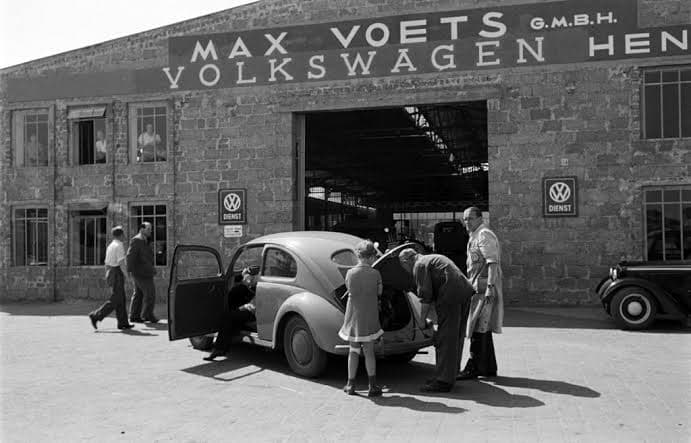
The company entered the Volkswagen Group through Audi in 1998. This brought the brand into a larger automotive organisation with access to substantial engineering, industrial and financial resources.
Under Audi's ownership, Lamborghini continued developing its product range while retaining its Italian headquarters and distinctive design identity. Models such as the Murciélago, Gallardo, Aventador and Huracán introduced the brand to new generations of customers.
From Exclusive Sports Cars to a Broader Luxury Market
For decades, Lamborghini's identity was built primarily around low-slung sports cars with powerful engines and dramatic styling. The introduction of the Urus in 2018 expanded the company's ambitions into the luxury SUV market.
The move reflected a broader shift in the premium automotive industry, where demand for performance-oriented SUVs created new opportunities for established sports car manufacturers.
For Lamborghini, the Urus offered a way to reach customers seeking the brand's design and performance characteristics in a more versatile vehicle. It also broadened the company's commercial reach while preserving its position in the high-performance segment.
More recently, the brand has continued investing in electrification and hybrid technology. The Revuelto, introduced in 2023, combined a V12 engine with electric motors, while Lamborghini's newer model range reflects the industry's transition towards lower-emission powertrains.
These developments illustrate the challenge facing heritage brands. They must adapt to changing technology and customer expectations while maintaining the characteristics that made them distinctive in the first place.
What Entrepreneurs Can Learn From Lamborghini
Ferruccio Lamborghini's story offers several lessons for founders and business leaders.
Success in one industry can create opportunities in another. Lamborghini used the resources and manufacturing experience gained through his tractor business to enter a completely different market.
A strong competitor can reveal an opportunity. Rather than accepting the existing hierarchy of the sports car industry, Lamborghini pursued an alternative proposition built around his own expectations of performance and comfort.
Product identity can become a lasting competitive advantage. From the Miura to the Countach, Lamborghini developed vehicles that were recognisable not only for their engineering but also for their design.
A founder's vision must survive organisational change. The company's later ownership transitions demonstrate the importance of preserving a distinctive identity as a business grows and evolves.
These principles extend well beyond the automotive sector. Founders who understand their capabilities, identify gaps in established markets and build a clear product identity can create businesses that compete against much larger or more established rivals.
The Legacy of Ferruccio Lamborghini
Ferruccio Lamborghini entered the automotive industry after achieving success in a completely different field. His decision to build sports cars transformed his name from that of an industrial entrepreneur into one of the most recognisable brands in luxury automotive history.
The company he established in 1963 has continued to evolve through changing markets, new ownership and major technological shifts. Its enduring identity remains closely tied to the ambition that shaped its early years: building cars that challenge expectations through engineering, performance and design.
Lamborghini's history shows how an entrepreneur can enter an established industry and create a lasting position by pursuing a distinct vision. The legacy is visible in every generation of the brand's vehicles, from the pioneering Miura to its modern hybrid supercars.
What began as an industrialist's new venture became a global luxury brand, demonstrating that a company's origins do not have to determine the limits of its ambition.