Founder Stories · Profile
How Patagonia Founder Yvon Chouinard Changed the Rules of Business
From a blacksmith making climbing equipment to a global outdoor brand with an unconventional ownership model, Yvon Chouinard built Patagonia around a different idea of what a company should stand for.
In September 2022, Yvon Chouinard made a decision that challenged conventional ideas about business ownership. The founder of Patagonia transferred ownership of the outdoor apparel company to two entities designed to protect its environmental mission and direct its future profits towards environmental causes.
Rather than selling the company or taking it public, Chouinard chose a structure intended to preserve Patagonia’s independence while funding its environmental commitments. The decision placed a fundamental question at the centre of the company’s story. What if a business could be built to serve a purpose beyond generating returns for its owners?
For Chouinard, this idea had been developing for decades. His approach to business began long before Patagonia became an internationally recognised brand.
From Climbing Equipment to Patagonia
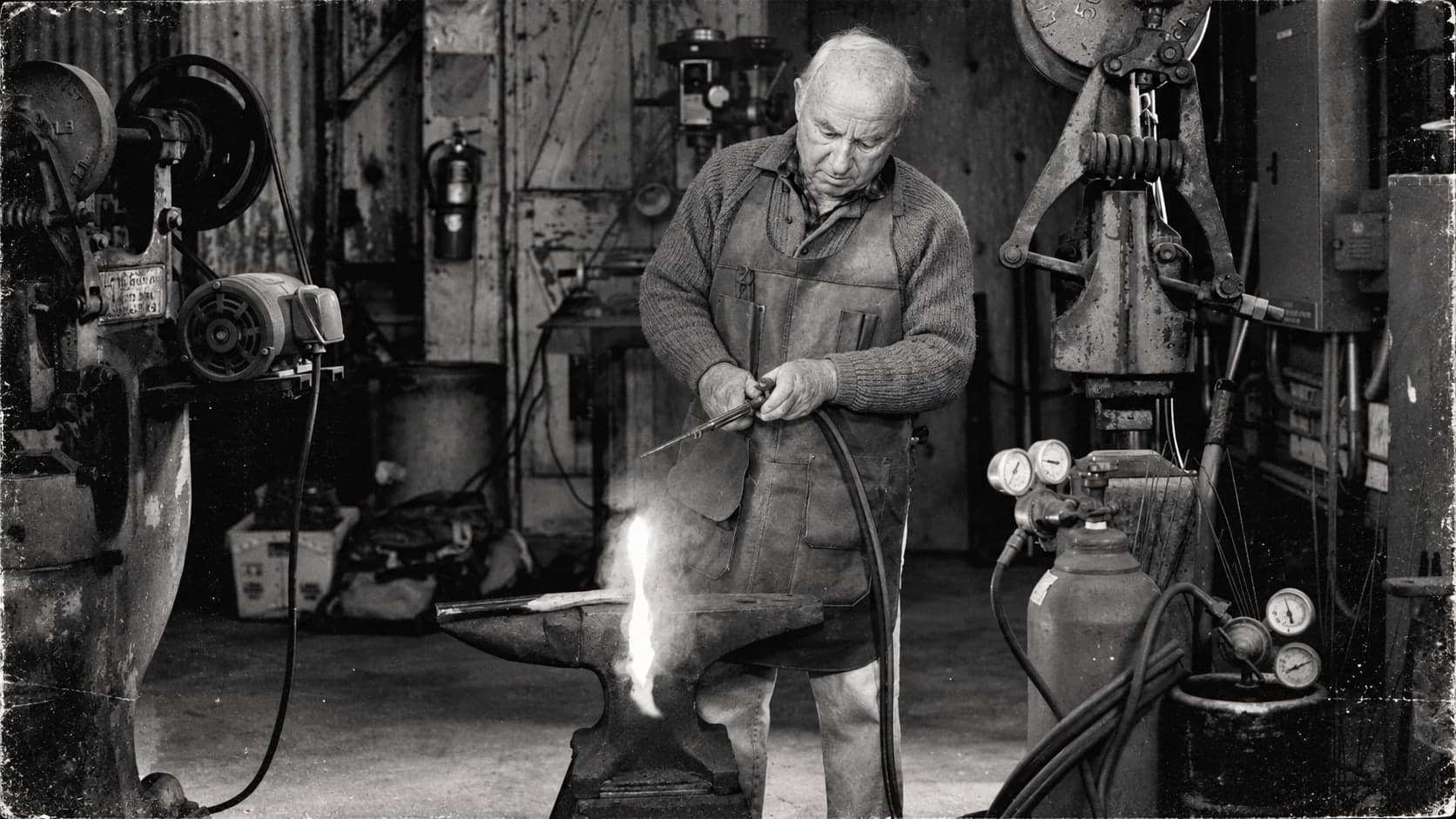
Chouinard’s entrepreneurial journey started with his passion for rock climbing. In 1957, he began teaching himself blacksmithing and making reusable steel climbing equipment for himself and fellow climbers. His work eventually developed into Chouinard Equipment, a company that became a major supplier of climbing hardware in the United States.
However, commercial success also exposed a conflict between business growth and environmental responsibility. Some of the company’s steel pitons damaged the rock faces they were designed to protect. Recognising the environmental consequences, Chouinard and his business partner Tom Frost promoted alternative climbing techniques that reduced damage to rock surfaces.
This decision reflected a principle that would become central to Patagonia’s identity. A product’s commercial value should be considered alongside its impact on the environment.
In 1973, Chouinard established Patagonia, extending his focus from climbing equipment into outdoor clothing. The company developed products for climbers and other outdoor enthusiasts, with an emphasis on durability, functionality and performance.
Rather than competing solely through fashion or seasonal trends, Patagonia built its reputation around products designed for demanding outdoor conditions.
Building a Brand Around Environmental Responsibility
As Patagonia expanded, environmental responsibility became increasingly integrated into its business strategy.
The company began examining the materials used in its products, the environmental consequences of manufacturing and the relationship between consumption and sustainability. These concerns influenced both its product decisions and its public identity.
In 1985, Patagonia committed to donating 1% of its sales to environmental organisations. The commitment later became closely associated with 1% for the Planet, the environmental network co-founded by Chouinard and Craig Mathews in 2002.
Patagonia also became known for encouraging customers to repair products, extend their useful lives and consider the environmental costs of unnecessary consumption.
In 2011, the company published its well-known “Don't Buy This Jacket” advertisement during the Black Friday shopping period. The campaign encouraged consumers to think carefully before purchasing new products, even as Patagonia continued operating as a commercial business.
The message created an unusual relationship between marketing and consumption. Patagonia used its advertising to discuss the limitations of buying more, while reinforcing the value of product quality, durability and responsible purchasing.
Its environmental positioning became part of how customers understood the brand, rather than remaining a separate corporate responsibility initiative.
Why Chouinard Rejected a Conventional Exit
By 2022, Patagonia had spent nearly five decades developing a business model closely connected to its environmental commitments. Chouinard and his family faced a long-term ownership question. How could they protect those commitments beyond their own involvement in the company?
Selling Patagonia could have generated substantial financial returns, but a future owner might have changed its priorities. Taking the company public could have introduced pressure to prioritise shareholder expectations and short-term financial performance.
Chouinard outlined these concerns in a letter published on September 14, 2022, when Patagonia announced its new ownership structure.
The family decided to transfer ownership to two organisations, each with a distinct role in preserving the company's purpose and directing its financial resources.
The decision was not a conventional charitable donation of a portion of the company's profits. It changed the ownership structure itself, connecting the company's future financial performance to its environmental mission.
How Patagonia Changed Its Ownership Structure
The 2022 arrangement divided Patagonia's ownership between the Patagonia Purpose Trust and the Holdfast Collective.
The Patagonia Purpose Trust received all of the company's voting stock, representing 2% of its total shares. Its role is to protect Patagonia's values and mission through oversight of key corporate decisions.
The Holdfast Collective received the remaining 98% of the company's stock, all of which is nonvoting stock. It is a nonprofit organisation dedicated to addressing environmental challenges, protecting nature and supporting communities.
Patagonia continues to operate as a for-profit business. It remains responsible for its products, employees, customers and financial health. Profits that are not reinvested into the business are distributed as dividends to the Holdfast Collective to support environmental work.
This distinction matters. Patagonia did not become a nonprofit, nor did its operating business cease to pursue commercial success. Instead, its ownership structure was redesigned to direct the financial value it creates towards a defined purpose.
The arrangement also gives the Purpose Trust a formal role in protecting the company's mission over time.
What Patagonia's Model Means for Business
Patagonia's ownership decision has drawn attention to a broader question facing founders. How should a company balance profitability, long-term independence and its responsibilities to society?
Traditional business ownership often centres on building equity value for founders, shareholders or future buyers. Patagonia demonstrates another approach, in which ownership can be structured around the preservation of a company's purpose and the allocation of its future profits.
The model is particularly relevant for founders who want their companies to maintain specific commitments as leadership changes or ownership passes to a new generation.
However, this approach also requires careful governance. A clearly defined mission must be supported by legal structures, accountability and operational decisions that remain consistent with the stated purpose. Public commitments alone cannot guarantee that a business will deliver its intended impact.
Patagonia's arrangement offers one example of how ownership design can help formalise those commitments.
It also raises practical questions about how other businesses might adapt similar principles to their own circumstances, industries and financial requirements.
A Different Definition of Success
Yvon Chouinard did not build Patagonia by separating business performance from environmental responsibility. Over time, the relationship between the two became central to the company's identity and, ultimately, its ownership structure.
The 2022 decision extended that philosophy beyond products, marketing and charitable contributions. It placed the company's ownership and future profits within a framework designed to protect its environmental mission.
Patagonia remains a commercial enterprise operating in a competitive global market. Its long-term success still depends on product quality, customer demand, effective management and financial discipline.
What distinguishes its model is the purpose its ownership structure is designed to serve.
For entrepreneurs, Patagonia's story offers a broader lesson about building a company that can outlast its founder. A business legacy can be shaped not only by the products a company creates or the markets it enters, but also by the decisions that determine who controls it, how its profits are used and which principles guide its future.
Sources
- Patagonia, Earth Is Now Our Only Shareholder — Chouinard’s explanation of the 2022 ownership transfer.
- Patagonia, Company History — the company's founding and early development.
- Patagonia, 50 Years of Business Unusual — the company's history and purpose.